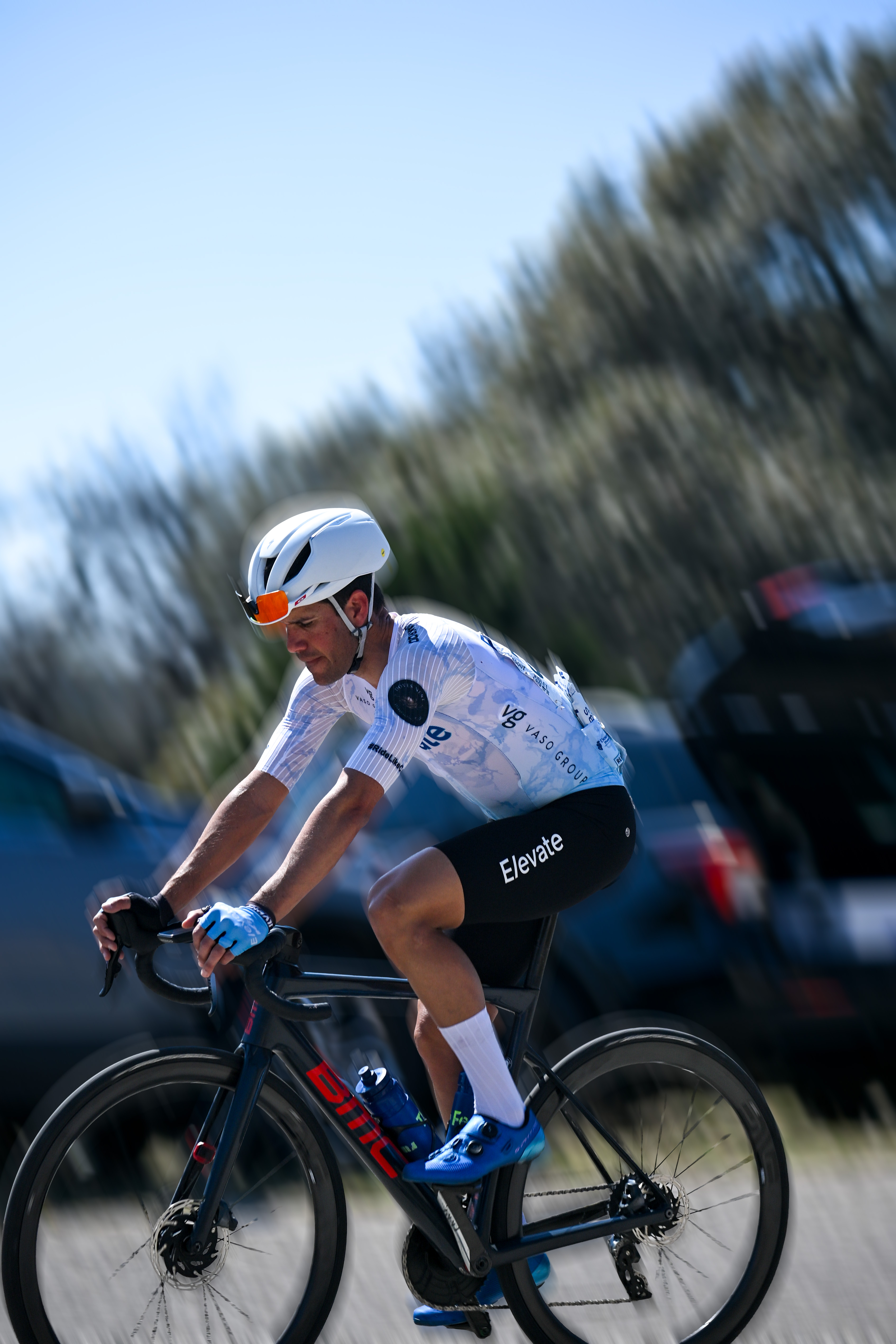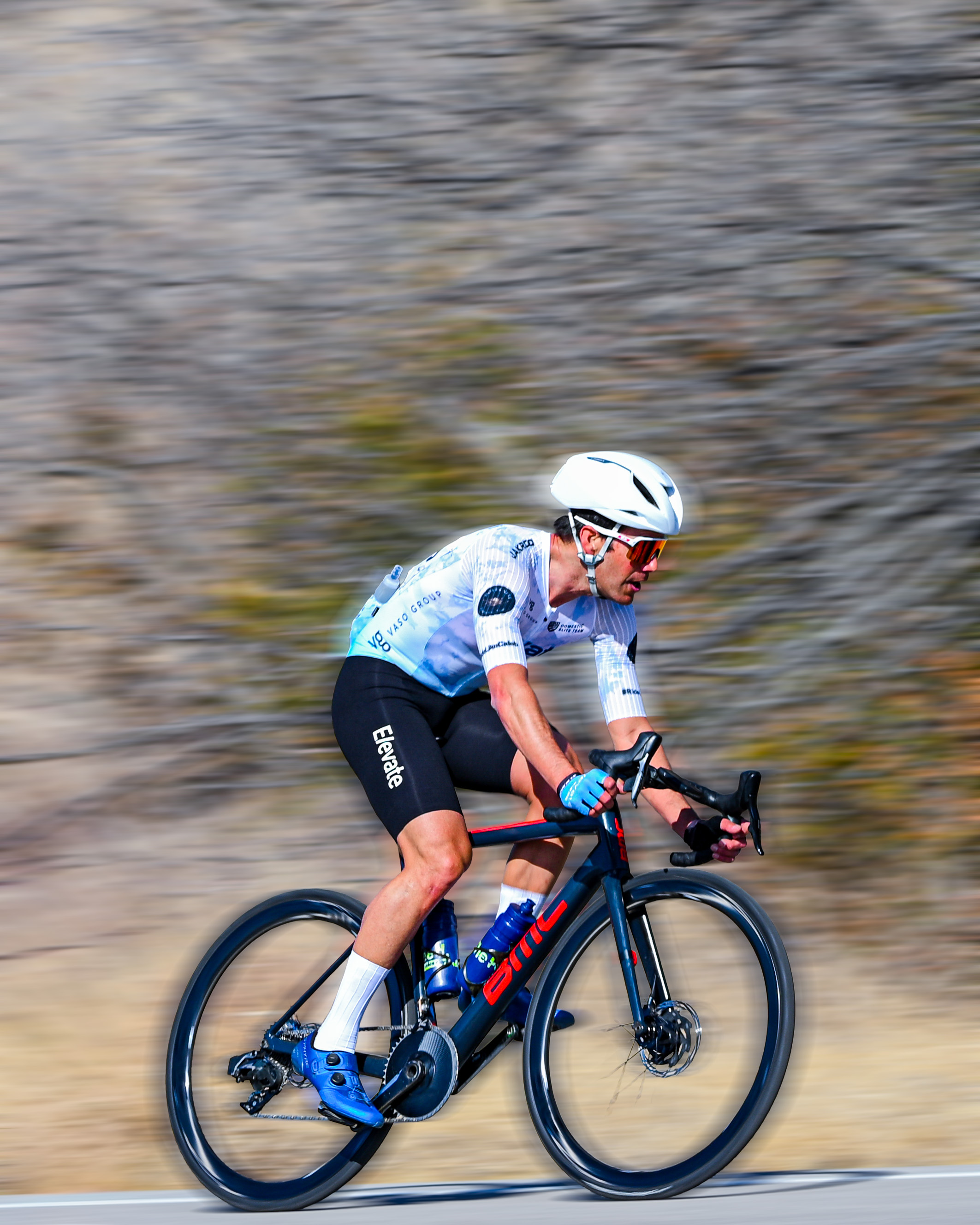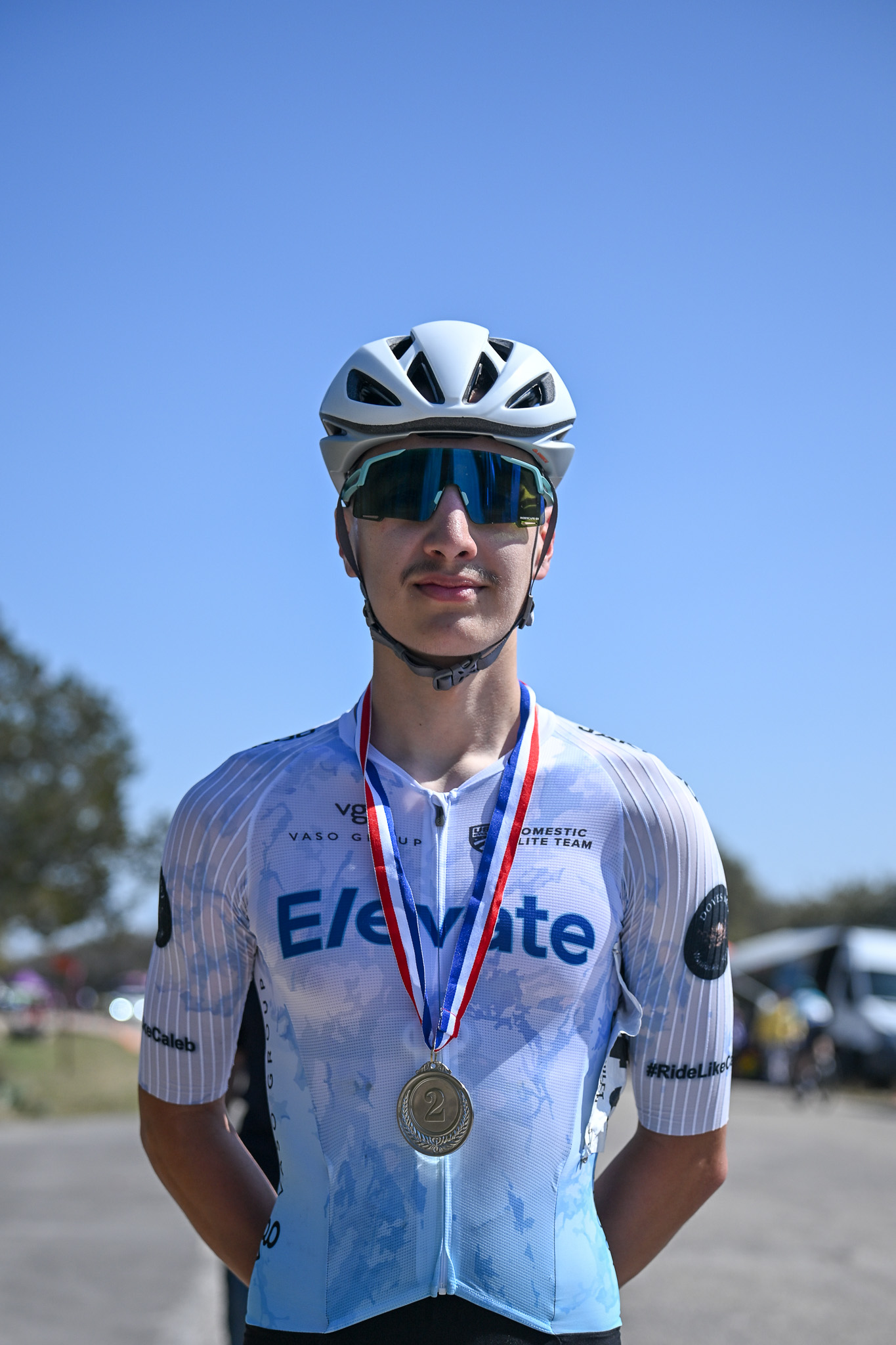

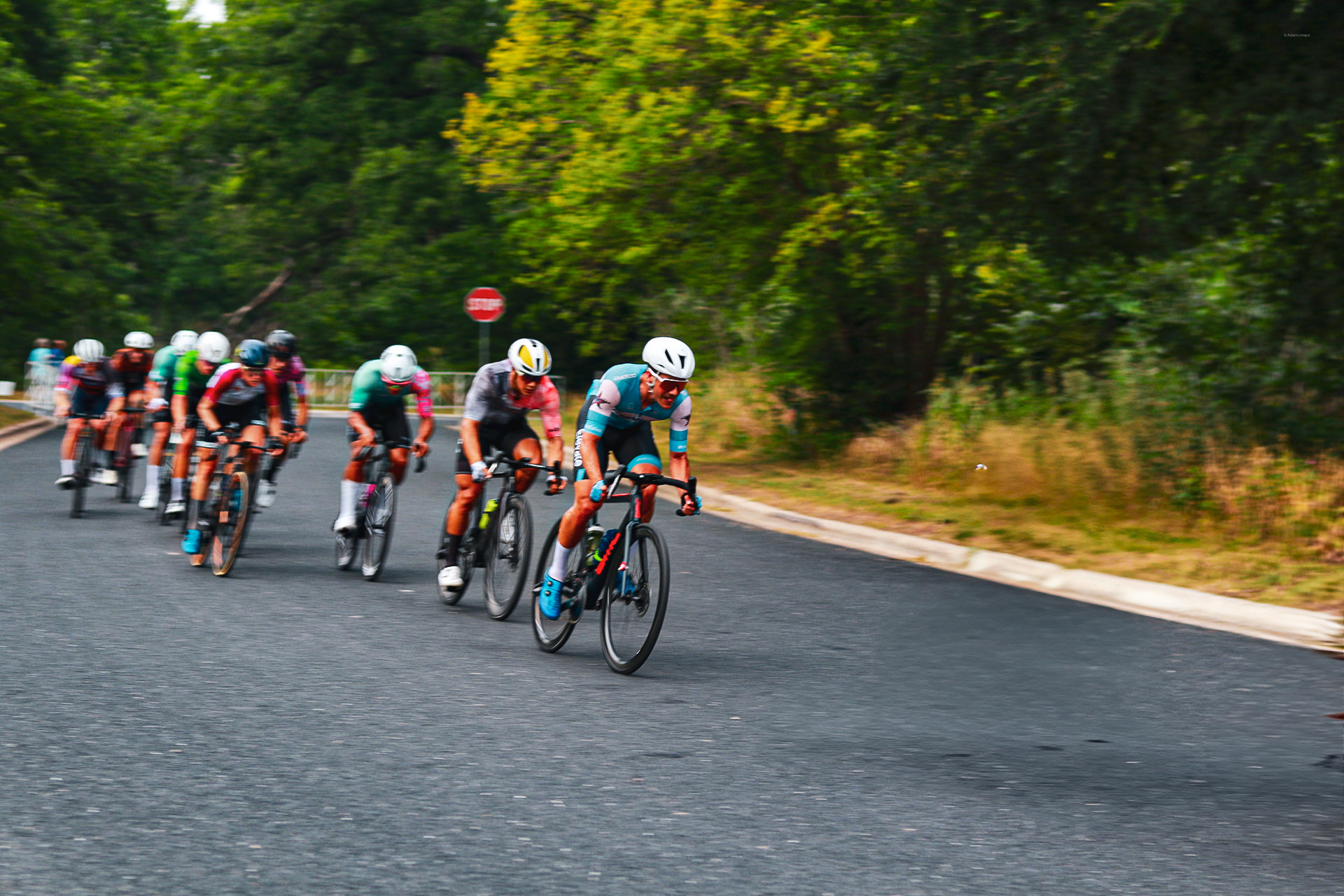
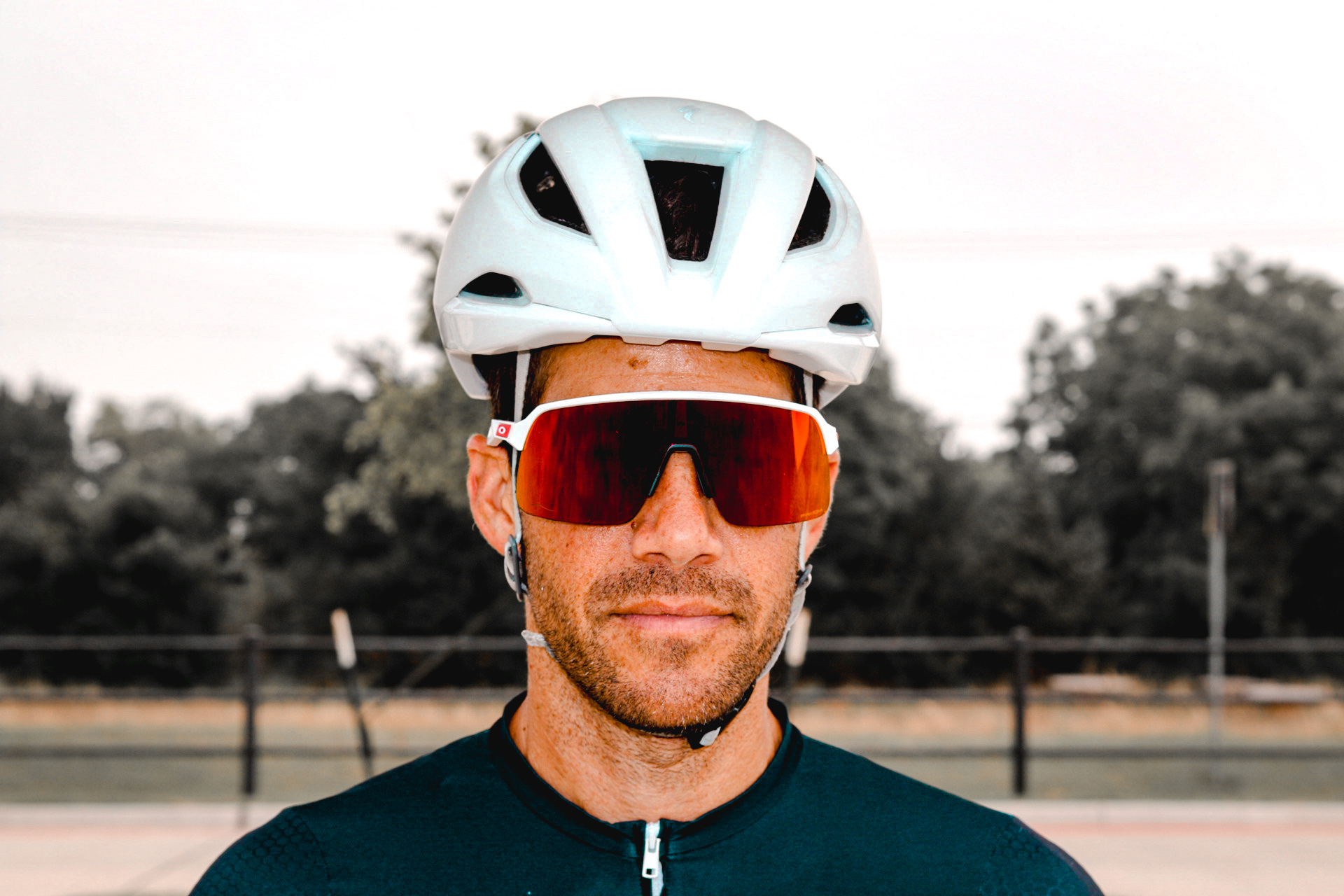
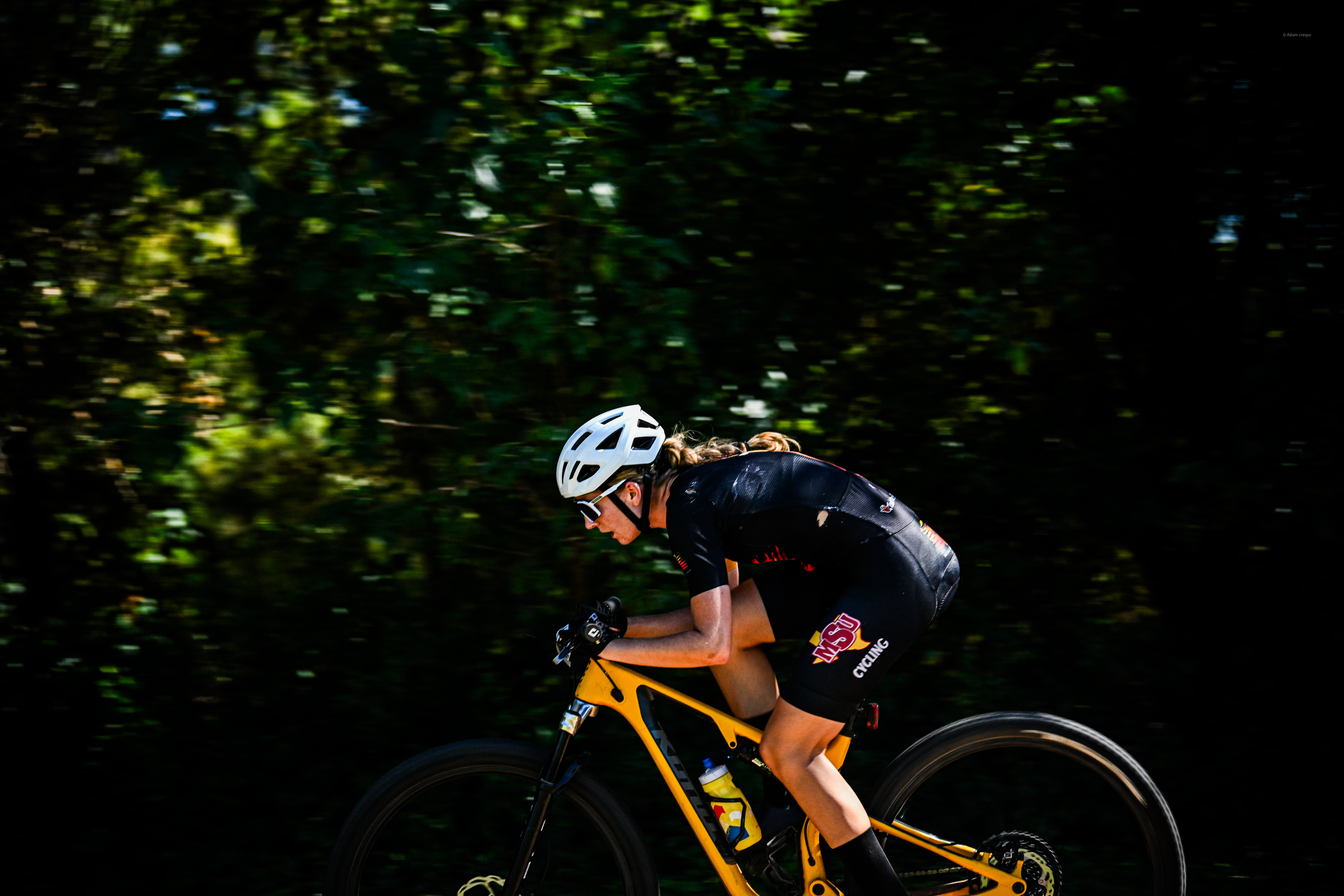

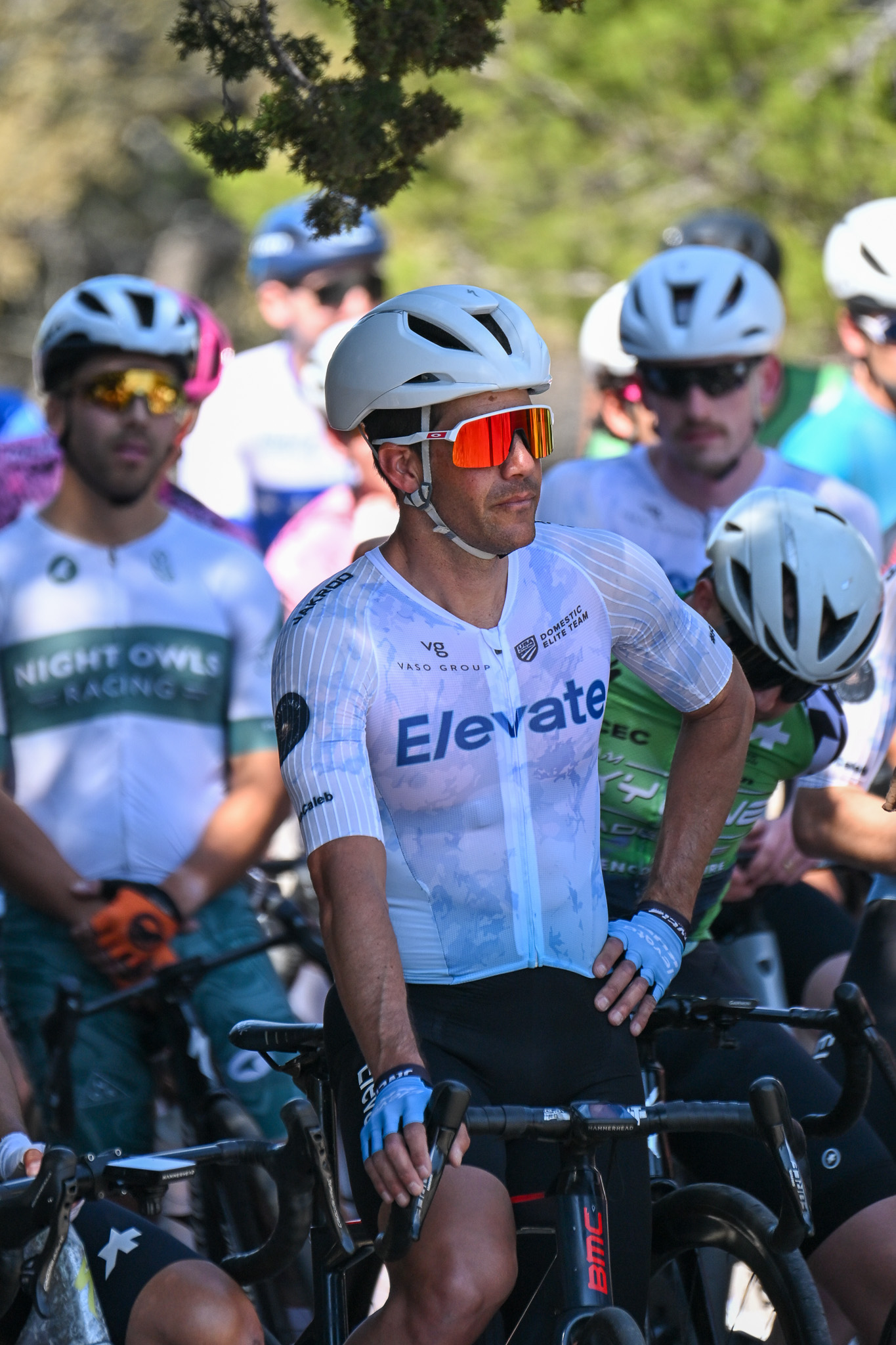
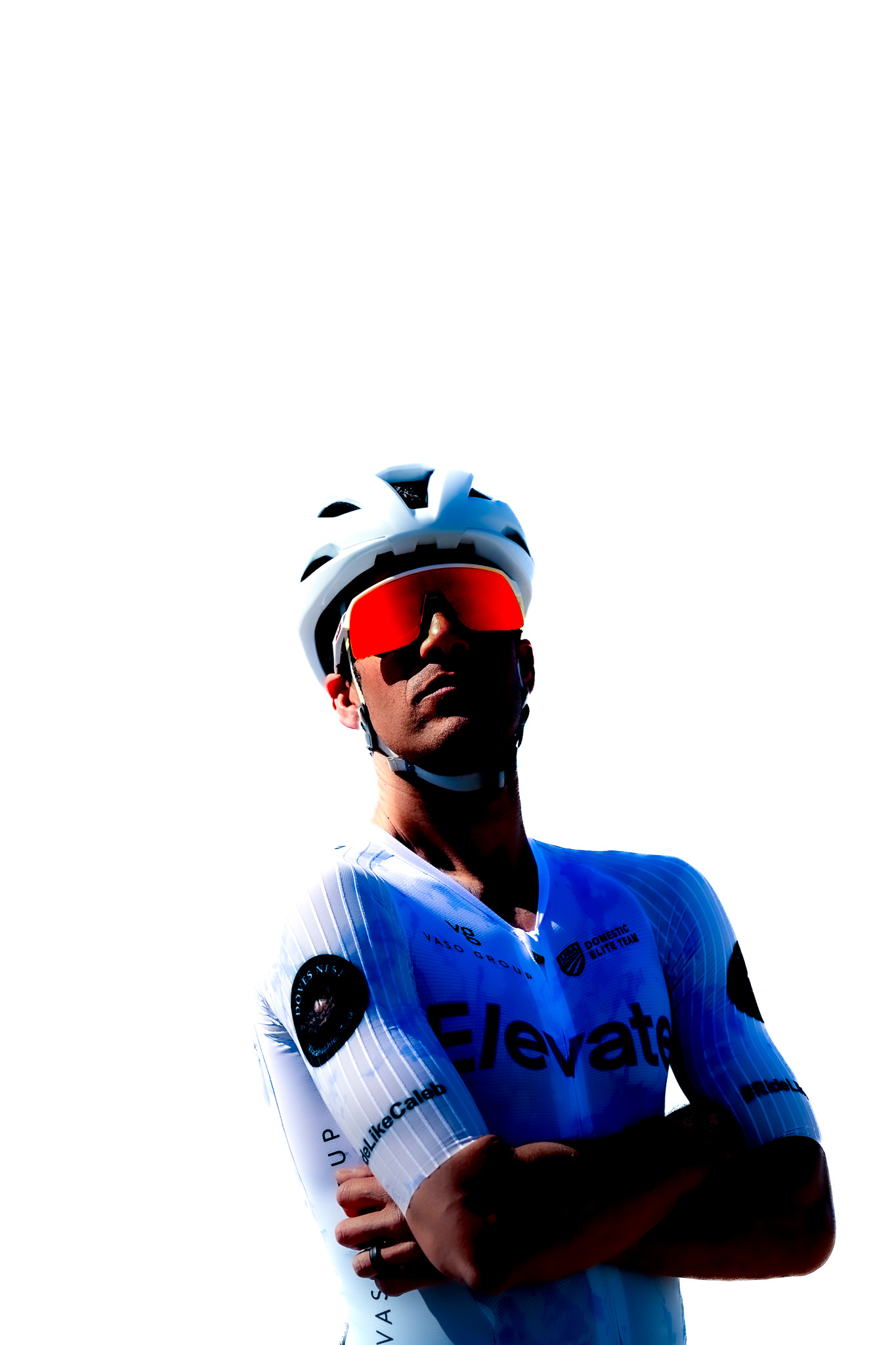
Every season has races that carry a little extra meaning. For me, La Primavera at Lago Vista is one of those races.
It’s one of the true spring classics here in Texas and typically takes place the first weekend of March. This year followed that same tradition, with racing kicking off on February 28 and continuing into March 1.
I’ve been racing this event for a long time. In fact, a collegiate athlete recently reminded me that I won this race in the Cat 2/3 field back in 2012. That was fourteen years ago—and honestly, I had already raced it several times before that. It also happens to hold another distinction: Lago Vista was the first race I ever did in Texas when I was racing collegiately for the University of North Texas.
So every time I line up here, there’s a little history behind it.
This year’s edition didn’t disappoint.
Texas Racing Is Back
One of the most exciting things about this year’s race was the level of competition.
Texas racing has been steadily building over the last few years, and right now it feels like it’s hitting a real peak. Strong riders are coming through the ranks, experienced racers are returning, and the depth of the field is growing.
Lago Vista also benefits from being a USA Cycling National Junior Cup race, which attracts talented junior riders and strong teams from across the region.
Add to that the Texas weather—which tends to be much nicer than many parts of the country early in the season—and you end up with a race that draws a lot of motivated riders looking to test their legs.
The result?
A very deep field and some seriously hard racing.
A Course That Never Lets Up
The terrain around Lago Vista is classic Texas Hill Country riding.
The course rolls endlessly along the edges of Lake Travis—up, down, and constantly changing pitch. There’s very little time to settle in. It’s just repeated efforts all day long.
This year the conditions added another layer: heat.
When you combine the terrain, the temperature, and the strength of the field, you get the perfect recipe for a race where everyone is going to suffer.
And suffer we did.
Day One: A Lesson in Positioning
Coming into the race, I felt good.
My fitness was solid, and I’ve been doing a fair amount of gym work with my collegiate athletes while they’re lifting. That extra strength work has definitely been helping.
But racing is rarely just about fitness.
At 46 years old, I’m lining up against riders who are often half my age. When the race starts to surge and the pace ramps up repeatedly, the ability to recover and repeat those efforts becomes a bigger challenge.
Still, the legs were there. I was able to follow moves, contribute to moves, and even initiate a few.
The problem came down to something much simpler: positioning.
At one point, a group of about twenty riders split off the front. It was a move that absolutely could have been made if I had been in the right place at the right time.
But I wasn’t.
And when you miss the move, you pay for it.
The front group rode away to contest the win while the rest of us were left behind riding laps at a steady pace until the finish. It was frustrating because the opportunity had been there—I just didn’t capitalize on it.
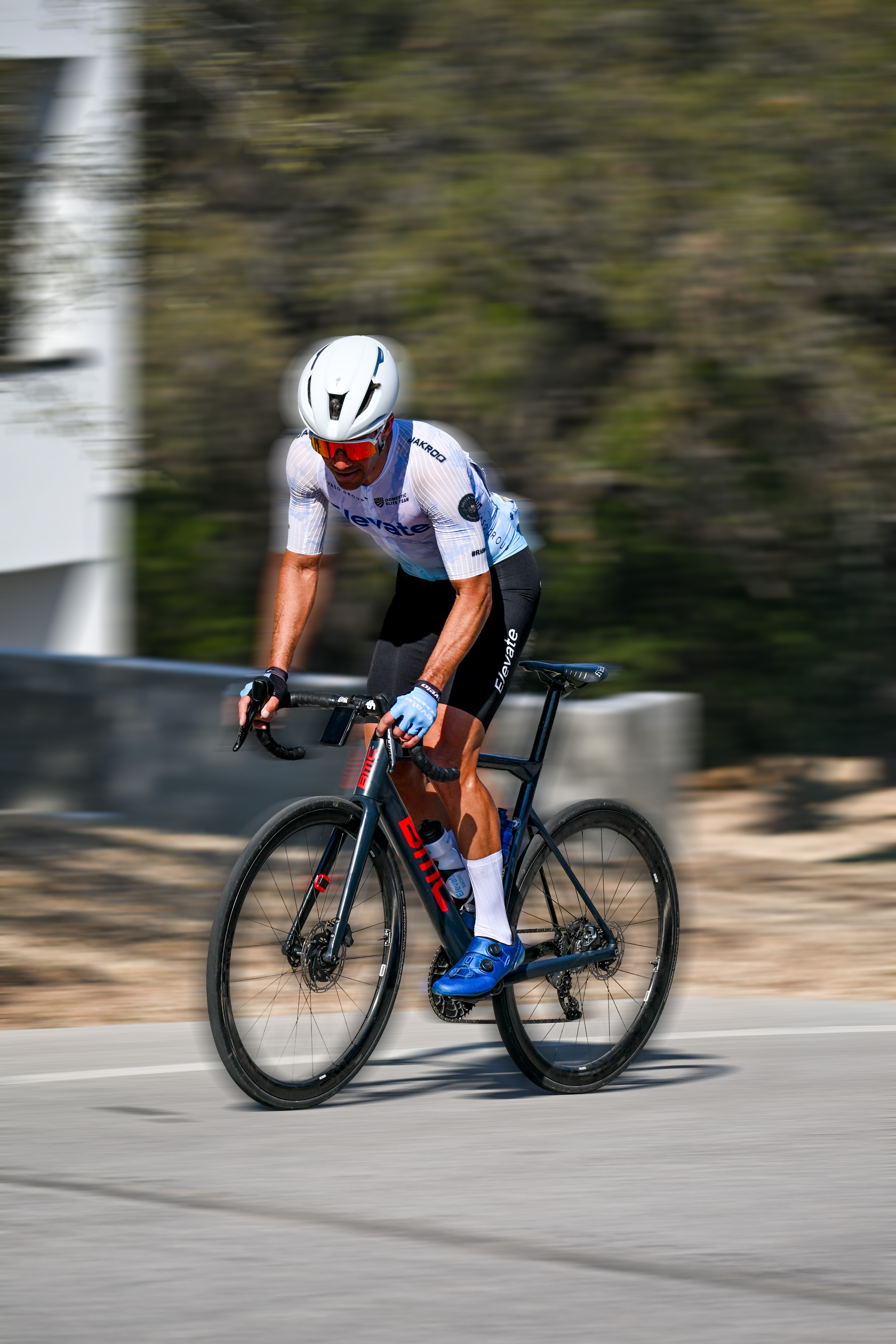
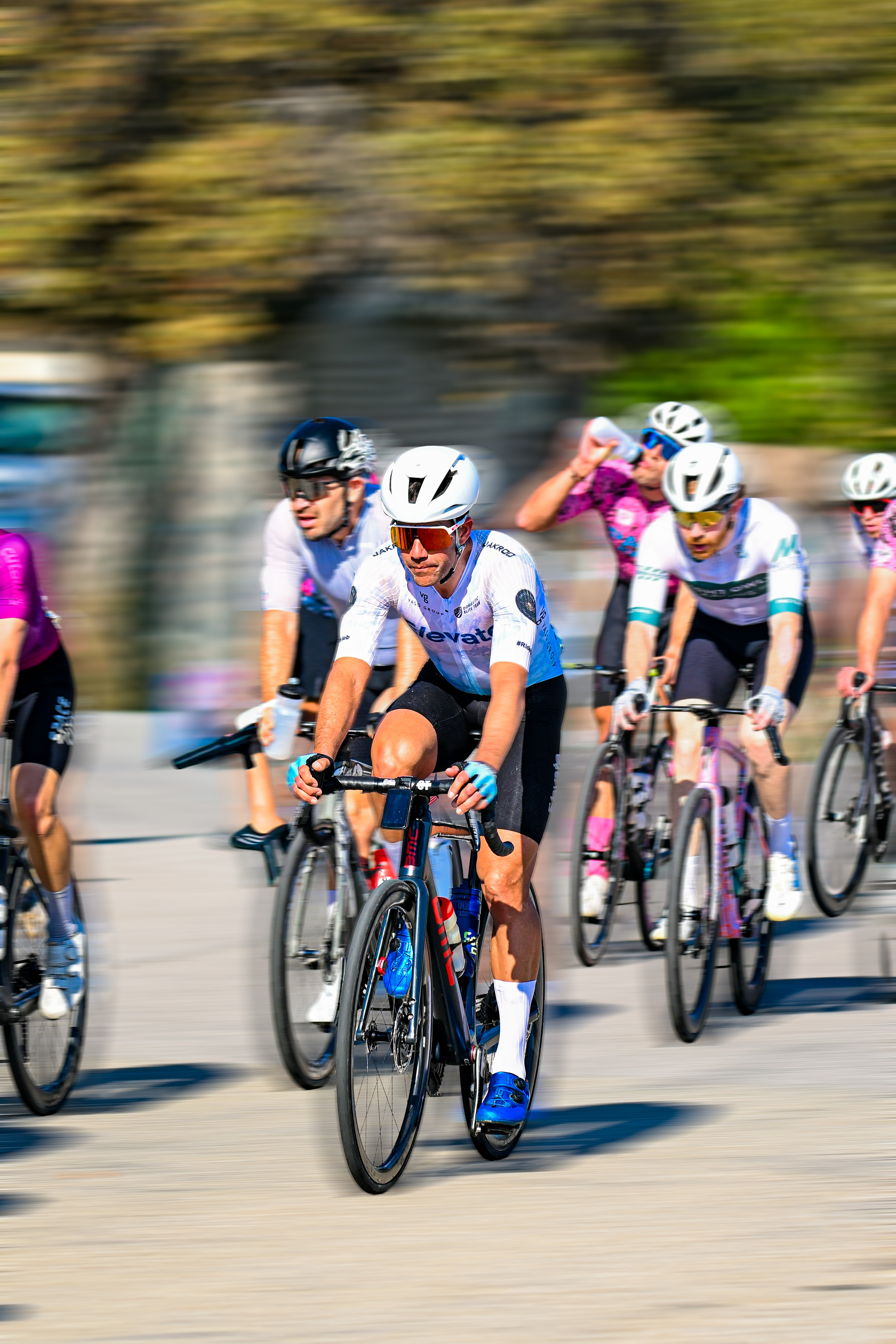

Day Two: Close, but Not Quite
Day two of Lago Vista runs the course in the opposite direction, which completely changes the character of the race.
Day one tends to favor heavier riders because the climbs are shorter and more about raw power.
Day two, however, favors lighter riders. The climbs are longer and steeper, and the sustained efforts make it easier for climbers to create separation.
I felt good again on the second day. Recovery from day one had gone well, and early in the race things were relatively controlled. The Cadence team did a great job managing the pace and keeping things organized.
That allowed me to ride efficiently and conserve energy.
But I knew that once Cadence had used up their riders and stopped controlling the race, things were going to get aggressive.
Sure enough, when teams like Parks Law Firm started animating the race, the intensity skyrocketed.
I managed to get into a very promising chase group that eventually caught the leaders. For a moment, it looked like I was going to make the decisive selection and be in the front group.
But the effort just tipped over the edge for me.
I had to let go and dropped back into another chase group. As the race wore on, the typical Lago Vista pattern emerged—groups from behind catching tired riders and pulling them backwards through the race.
Fueling Matters
If there’s one thing I could point to as a clear mistake on day two, it was hydration.
Calorie intake and carbohydrates were fine. That part of the fueling plan went well.
But getting water was a different story.
The feed zone was extremely chaotic. Riders were slowing down dramatically to grab bottles, which meant you risked getting gapped from your group if you tried to take a feed.
If you did slow down, you then had to burn a match to get back on.
It was a difficult balance, and unfortunately I didn’t manage it well enough.
It’s a good reminder that in racing, logistics matter just as much as fitness.
Encouraging Signs Moving Forward
While the results weren’t what I hoped for, the weekend still had a lot of positives.
The fitness is there.
The form is coming along.
And the early season races are doing exactly what they’re supposed to do—expose areas that need improvement.
Lago Vista is always a race I want to do well in because of the history I have with it. So yes, there’s a bit of disappointment walking away from it.
But that’s part of the sport.
The Real Lesson
One of the most important lessons athletes can take from a race like this is simple:
Don’t carry the disappointment forward.
When a performance doesn’t meet the standard you set for yourself, the worst thing you can do is let it linger.
Instead, you learn from it.
You identify what could have been done better.
And then you get right back to work.
That’s exactly where I am now—back in training and looking forward to the next opportunity to line up and race again.